Reviewing Pretty Flower Embroidery for Real Projects
As a designer who has spent countless hours digitizing and stitching out floral motifs, I approach every new machine embroidery design with a mix of curiosity and caution. We have all been there: downloading a file that looks stunning in the preview thumbnail, only to find it turns into a puckered mess or a thread-break nightmare on the machine. Today, I am taking a close look at Pretty Flower Embroidery, a single flower motif that promises to add a cozy and artistic feel to various fabrics. My goal is not just to describe it, but to evaluate how it performs in the real world of craft businesses, client orders, and personal projects.
First Impressions and Visual Personality
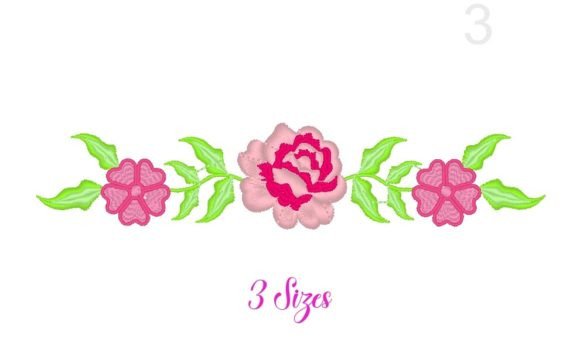
The first thing that strikes me about Pretty Flower Embroidery is its balance between simplicity and charm. In the category of Single Flowers, it avoids the overly complex detailing that often plagues digital files intended for small hoops. The layout feels organic, with petals that flow naturally rather than looking rigid or geometric. This gives the design a hand-drawn aesthetic, which is highly desirable for modern handmade products.
The mood it creates is undeniably warm. It does not scream for attention with aggressive density or flashy effects; instead, it invites a sense of calm. For an Etsy seller or boutique owner, this visual personality is crucial. It fits seamlessly into brands that focus on slow living, natural materials, and understated elegance. When I visualize this embroidery file stitched out, I see it working best where subtlety is key—think linen tea towels, organic cotton baby onesies, or the corner of a minimalist tote bag.
Real-World Application: The Custom Tote Bag Test
To truly understand the value of this design, let us walk through a realistic scenario. Imagine you are preparing a custom order for a local farmer’s market vendor who wants branded tote bag designs. They need something that looks professional yet approachable. Pretty Flower Embroidery is an excellent candidate here. Because it is a standalone floral element, it does not require extensive background filling, which keeps production time low and profit margins healthy.
When stitching this onto canvas or heavy cotton, the design holds its shape well. The stitch density appears moderate, which is vital for thicker fabrics. If the density were too high, the fabric would pucker; if too low, the backing would show through. In my assessment, this design strikes a safe middle ground. It allows the texture of the fabric to remain visible, enhancing the handmade product appeal. Customers often touch embroidered items before buying, and a smooth, flat stitch field feels premium compared to raised, bulky areas.
Versatility Across Product Lines
Beyond tote bags, this design shines in several other categories. For sweatshirt embroidery, placing this flower on the left chest area creates a subtle branding opportunity without overwhelming the garment. It also works beautifully for baby embroidery. Parents love personalized gifts, and a soft, artistic flower on a muslin swaddle or a bib feels gentle and appropriate. However, when moving to smaller items like embroidered patches or caps, care must be taken. Curved surfaces like baseball caps can distort designs if they are too wide. Since this is a compact floral motif, it likely adapts well to curved hoops, but always test a sample first.
For home decor, such as pillow covers or bedsheets, the design adds that promised cozy feel. It acts as a focal point without dominating the entire piece. This makes it ideal for holiday embroidery projects where you might want to add a seasonal touch to existing inventory without redesigning everything from scratch.
Technical Considerations and Potential Pitfalls
While Pretty Flower Embroidery is versatile, no design is universal. There are specific situations where you should proceed with caution. First, consider the hoop size. If you are using a very small hoop, ensure the details of the petals do not become too compressed. Tiny, intricate details can get lost if the scale is reduced too much. Always check the minimum recommended size provided by the designer.
Fabric choice plays a massive role. On thin or stretchy fabrics, such as jersey knits or silk, this design will require a high-quality stabilizer. Without proper support, even a well-digitized flower can pull the fabric out of shape. For dark fabrics, pay close attention to the thread colors suggested in the color chart. If the design relies on subtle shading, ensure your thread palette offers enough contrast against the background. A lack of contrast can make the embroidery look muddy from a distance.
Additionally, be mindful of washability. Items like kitchen towels and baby clothes undergo frequent laundering. Ensure that the stitch types used—whether satin stitch for outlines or fill stitch for petals—are secure. Loose threads or poor underlay can lead to unraveling over time, which damages your reputation as a creator.
Enhancing Brand Value and Customer Trust
From a business perspective, the quality of your design assets directly impacts customer trust. Using a clean, professional-looking design like Pretty Flower Embroidery signals that you care about the finished product. It elevates the perceived value of a simple t-shirt or pillowcase. When customers see crisp lines and balanced proportions, they associate that quality with your brand.
This design also lends itself well to marketing. It is easy to create attractive printable mockups or digital previews because the shape is recognizable and aesthetically pleasing. For commercial embroidery projects, having a reliable go-to floral design saves time. You do not have to reinvent the wheel for every client who asks for a floral accent. Instead, you can focus on customization through thread color choices and placement.
Practical Designer Notes for Best Results
Before committing to a large production run or listing this item in your small shop product lineup, follow these practical steps:
- Test on scrap fabric: Always stitch out a sample on the exact material you plan to use. This reveals any tension issues or registration errors.
- Check thread contrast: View your test stitch from three feet away. Can you clearly see the flower? If not, adjust your thread colors.
- Review stitch density: Feel the back of the embroidery. Is it stiff? If so, consider reducing density or changing stabilizers.
- Confirm licensing: The product description notes to check sewing information. Always verify if the license allows for digital embroidery file resale or only finished physical goods. Most designers allow selling finished items but prohibit sharing the file itself.
- Inspect small details: Zoom in on the digitized file. Look for jump stitches that are too long or unnecessary trims that could cause thread nests.
In conclusion, Pretty Flower Embroidery is a solid addition to any designer’s library. It offers a blend of artistic flair and practical usability that suits a wide range of embroidery project types. Whether you are creating custom apparel, heartfelt personalized gifts, or stock for your online store, this design provides a reliable foundation. By respecting the technical requirements of fabric and stabilization, you can ensure that every finished product meets the high standards your customers expect. It is a reminder that sometimes, the simplest designs, when executed well, create the most lasting impression.