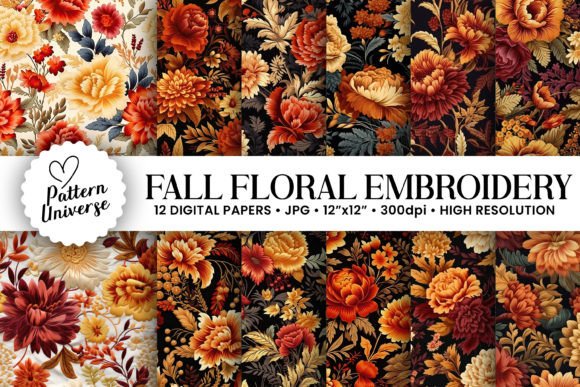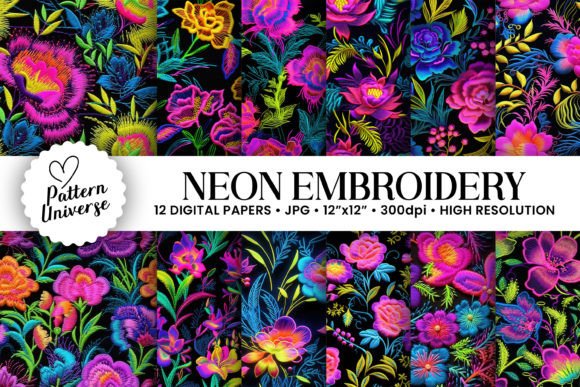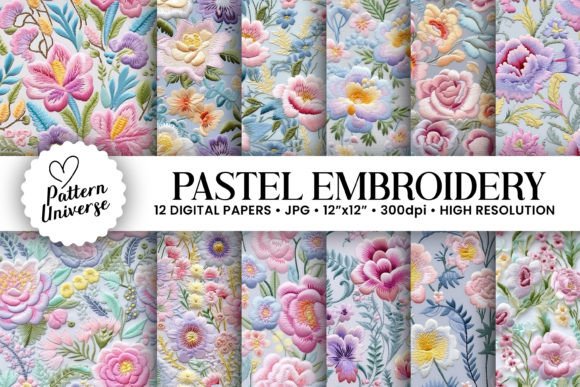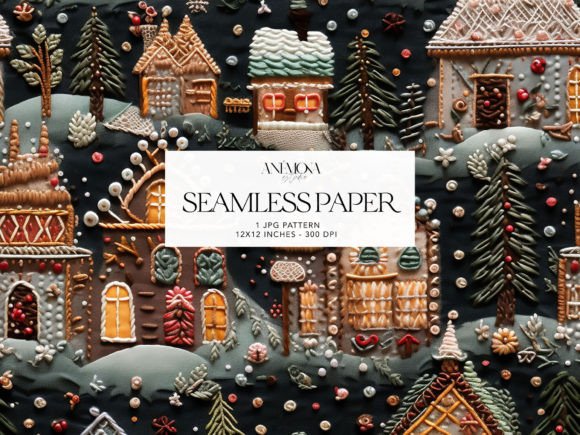
Pine Trees Embroidery Digital Papers Review
As an embroidery designer who spends countless hours digitizing and testing files for boutique apparel, I am always on the lookout for assets that offer versatility beyond standard machine stitches. Recently, I explored Pine Trees Embroidery Digital Papers on Creative Fabrica to evaluate its potential for my upcoming seasonal collection. While the title suggests these are strictly for paper crafts, my experience tells me that high-quality seamless patterns can be invaluable tools for modern apparel decorators, especially when creating custom backgrounds, printable mockups, or hybrid mixed-media designs.
First Impressions: Visual Personality and Mood
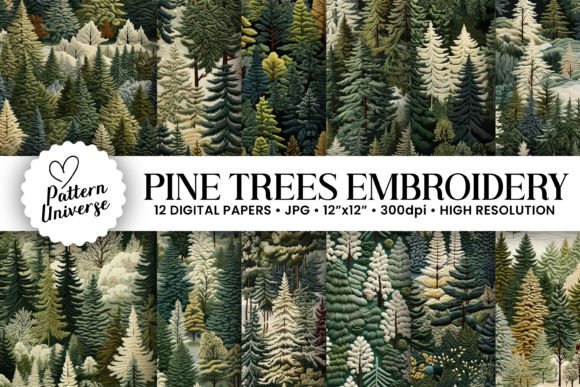
Upon opening the file set, the immediate impression is one of rustic charm and natural elegance. The collection includes 12 digital papers featuring pine tree motifs, which evoke a cozy, outdoorsy aesthetic. For a boutique brand focusing on cabin-core, winter wellness, or nature-inspired lifestyles, this visual mood is spot-on. The designs do not feel overly childish; rather, they strike a balance between playful and classic. This makes them suitable for a wide demographic, from young adults seeking trendy oversized hoodies to families looking for matching holiday sweatshirts.
The detail level in these graphics is crisp, which is essential when scaling images for large-format printing or using them as reference layers for complex embroidery layouts. The decorative strength lies in their seamless nature, allowing for endless repetition without visible breaks. This is particularly useful for creating all-over prints or subtle background textures that complement bold foreground embroidery.
Integrating Graphics into Apparel Projects
You might wonder how digital papers fit into a workflow dominated by machine embroidery. The answer lies in the hybrid approach many modern Etsy sellers and small shop owners are adopting. Here is how I envision using Pine Trees Embroidery Digital Papers in a real-world production scenario:
- Printable Mockups and Listings: Before stitching a single thread, I use these patterns to create realistic lifestyle product photos. By applying the pine tree texture to digital mockups of neutral sweatshirts or pastel hoodies, I can test color combinations and gauge customer interest. This saves time and resources during the design phase.
- Sublimation and Heat Transfer Backgrounds: For garments where full embroidery is too dense or costly, these graphics can be sublimated onto polyester blends. Imagine a dark apparel piece with a subtle, tonal pine forest background created from these patterns, accented with a small, high-density machine embroidery design on the chest.
- Tote Bag and Denim Jacket Accents: These patterns work beautifully for fabric painting or heat-transfer vinyl (HTV) projects. On a canvas tote bag, a repeated pine tree pattern can serve as a border or a full-back design, offering a professional look without the high stitch count of a fully embroidered piece.
Performance on Different Garment Types
When planning a small sweatshirt or hoodie collection, fabric choice dictates design placement. I tested the visual impact of these pine tree patterns on various materials commonly found in boutique merchandise.
On neutral sweatshirts, such as heather grey or oatmeal, the organic green and brown tones of the pine trees provide a soft, earthy contrast. This works well for sleeve accents or lower-hem details where you want a hint of design without overwhelming the garment. For pastel hoodies, the patterns add a whimsical touch that appeals to a younger, trend-conscious audience. However, on dark apparel like navy or black fleece, the patterns need to be lightened or used as a matte finish to ensure visibility.
For oversized garments, which are currently dominating streetwear trends, these seamless patterns can be scaled up to create a bold, statement back print. This approach reduces the need for extensive hooping and stitching, lowering production time while maintaining a high perceived value. On t-shirts, the graphics can be used for pocket prints or collar tape designs, adding a unique signature element that distinguishes your handmade product from mass-market alternatives.
Practical Considerations for Embroidery Designers
While Pine Trees Embroidery Digital Papers are primarily graphics, using them as inspiration or complementary elements requires careful planning. If you intend to digitize these patterns into actual stitch files, you must consider stitch density and fabric texture. Pine trees involve intricate branches and needles, which can become bulky if stitched densely on stretchy fabric like fleece or ribbed knits.
Here are my practical notes for integrating these designs into your workflow:
- Test on Scrap Fabric: Always run tests on the exact fabric weight you plan to use. Fleece behaves differently than cotton jersey, and stabilizer choice is critical to prevent puckering.
- Check Stabilizer Choice: For dense areas inspired by these patterns, a cut-away stabilizer is often necessary to support the garment over time, especially for items that will be washed frequently.
- Review Thread Color Contrast: Use the digital papers to plan your thread palette. Ensure there is enough contrast between the thread and the fabric so the design remains visible from a distance.
- Confirm Hoop Size: If you decide to embroider elements of the pattern, check your machine’s maximum hoop size. Large, continuous designs may require multi-hooping techniques, which require precise alignment.
- Inspect Stitch Density: If digitizing from these graphics, reduce stitch density for stretchy fabrics to maintain comfort and flexibility. High stitch counts can make garments stiff and uncomfortable.
Enhancing Brand Identity and Value
In the competitive world of online selling, visual consistency is key to building buyer trust. Using a cohesive set of graphics like Pine Trees Embroidery Digital Papers across your marketing materials, packaging, and product designs creates a recognizable brand identity. When customers see the same aesthetic in your social media graphics, Etsy listings, and finished products, it reinforces professionalism and attention to detail.
These patterns can elevate the perceived value of your commercial embroidery products. By offering items that feature coordinated backgrounds and embroidered accents, you position your brand as a thoughtful creator rather than just a producer. This level of curation encourages customer engagement and can lead to higher conversion rates and repeat business.
Licensing and Final Thoughts
Before launching any collection, it is vital to review the licensing terms provided by Creative Fabrica. The product description notes that these are digital papers suitable for gift wrapping, greeting cards, and scrapbooking. As a professional, I always advise confirming whether the license extends to commercial use for printed apparel or if it is restricted to paper crafts. Never assume file formats or machine compatibility unless explicitly stated in the product details.
In conclusion, Pine Trees Embroidery Digital Papers offer a versatile resource for the modern creative entrepreneur. Whether used for creating stunning printable mockups, designing sublimated backgrounds, or inspiring new embroidery layouts, these graphics bring a touch of nature-inspired elegance to boutique apparel. By understanding how to integrate these patterns with traditional machine embroidery techniques, you can create unique, high-value pieces that stand out in the crowded marketplace of handmade goods.