Reviewing the Geometric Floral Embroidery Pattern for Real Projects
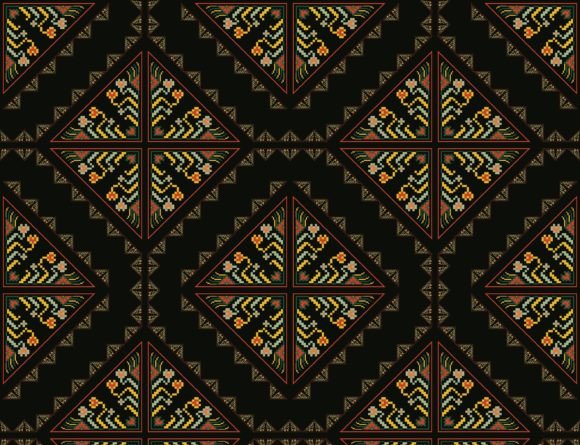
As a designer who spends more time staring at digitized stitch paths than I care to admit, I have learned that not every digital embroidery file looks as good on fabric as it does on a screen. When I first opened the Geometric Floral Embroidery Pattern, my initial reaction was one of cautious optimism. The preview showed a clean, vector-based ethnic geometric square floral shape, which usually promises crisp lines and modern appeal. But previews can be deceptive. The real test is always in the hoop.
I decided to put this design through its paces, not just as a visual asset, but as a functional component for a client’s small batch of custom tote bags. Here is my honest breakdown of how this pattern performs, where it shines, and what you need to watch out for before you commit it to your next embroidery project.
First Impressions: Structure Meets Softness
The immediate standout feature of the Geometric Floral Embroidery Pattern is its balance. It merges the rigid, predictable nature of geometric shapes with the organic flow of floral motifs. This juxtaposition creates a mood that is both contemporary and timeless. For Etsy sellers and craft business owners, this is a valuable aesthetic because it appeals to a broad demographic. It is not too childish for adult apparel, yet not too severe for nursery decor.
The layout is inherently symmetrical, centered around a square framework. This makes it incredibly versatile for placement. Unlike free-flowing vines that require careful positioning to avoid seams or pockets, this square floral shape sits comfortably in the center of a chest, the corner of a pillow, or the face of a cap. The visual personality is orderly but decorative, suggesting a level of professionalism that elevates a simple handmade product into something that feels boutique-ready.
Real-World Application: The Tote Bag Test
To evaluate its practicality, I stitched the design onto a medium-weight canvas tote bag. This is a common item for small shop products and personalized gifts. The fabric texture of canvas is relatively stable, which is ideal for testing stitch clarity.
The result was impressive. The ethnic geometric elements held their shape well without pulling the fabric. The transition between the geometric borders and the inner floral details was smooth. Because the design relies on clear shapes rather than overly dense shading, it did not create a heavy, stiff patch on the fabric. This is crucial for items like tote bag designs or aprons that need to remain flexible and usable. Customers often reject embroidered items that feel like cardboard; this pattern avoids that pitfall by maintaining a reasonable visual weight.
I also considered how this would look on a sweatshirt embroidery project. The square format works beautifully on the left chest of a hoodie or crewneck. It provides a structured focal point that doesn’t get lost in the fleece texture. For custom apparel, this kind of distinct, contained design is easier to scale down without losing integrity compared to intricate, sprawling landscapes.
Navigating Fabric and Hoop Constraints
While the design is robust, it is not without its limitations. As with any machine embroidery design, context is everything. I would advise caution when using this on highly textured fabrics like thick terry cloth or loose-weave linens. The fine lines of the geometric border might get lost or distorted if the fabric grain interferes with the stitch path. In such cases, a cut-away stabilizer is non-negotiable to support the structure.
Stretchy fabrics present another challenge. If you are planning to use this for baby embroidery on stretch knits, you must ensure your stabilization is perfect. The square shape can warp if the fabric stretches unevenly during wear or washing. I recommend testing on scrap fabric first, ideally in black and white mockups, to see how the contrast holds up. On dark fabrics, you will need high-contrast thread colors to ensure the geometric details pop. A monochromatic look can work, but it risks flattening the depth of the floral elements.
Regarding hoop size, this pattern is adaptable, but do not push it too small. If you shrink it below two inches, the intricate corners of the square and the delicate floral petals may merge, resulting in a muddy appearance. Always check the minimum recommended size in the file details. If you are working on curved surfaces like caps, ensure the design is centered perfectly, as any deviation in a geometric pattern is immediately noticeable to the eye.
Commercial Value and Brand Consistency
For commercial embroidery and digital product sellers, the consistency of this pattern is a major asset. Because it is a vector-based ethnic geometric square floral shape, it scales cleanly. This means you can use the same design assets for a large pillow cover and a small embroidered patch without significant loss of quality. This uniformity helps build brand recognition. If you are selling a line of home goods, using this pattern across tea towels, blankets, and cushion covers creates a cohesive collection.
The design also lends itself well to holiday embroidery and gift items. Its ethnic flair fits nicely with bohemian or global-inspired themes, which are perennial favorites in the handmade market. Whether it is a wedding gift or a housewarming present, the finished product looks thoughtful and curated. It does not look like a generic clip-art addition; it looks like an intentional design choice.
Practical Designer Notes
Before you load this into your machine, keep these practical tips in mind:
- Check Stitch Density: Review the stitch count and density settings. If the design feels too dense for your fabric, consider reducing the density slightly in your editing software to prevent puckering.
- Thread Selection: Use high-quality threads to ensure the satin stitches and fill stitches lay flat. Poor quality thread can fray, obscuring the sharp geometric lines.
- Stabilizer Choice: Match your stabilizer to your fabric. Use tear-away for stable woven fabrics and cut-away for knits or items that will undergo frequent washing.
- Licensing Verification: Always confirm the license terms. Ensure you have the right to use the design for commercial purposes if you are selling finished items or using it in printable mockup previews for your online store.
- Test Stitch: Never skip the test stitch. Run the design on a scrap piece of your actual production fabric to check for registration issues and thread breaks.
In conclusion, the Geometric Floral Embroidery Pattern is a strong contender for designers looking for versatile, modern motifs. It bridges the gap between traditional floral elegance and modern geometric minimalism. While it requires careful attention to fabric choice and stabilization, its potential for creating high-value, professional-looking products is significant. For the serious maker or small business owner, it is a reliable addition to your library of design assets.