Reviewing Pink Embroidery Gingerbread House Paper for Craft Fairs
As an embroidery designer who has spent countless weekends standing behind booths at local markets, I have learned that visual impact is everything. When a potential customer walks past your table, you have mere seconds to catch their eye. This is why I am always on the lookout for design assets that bridge the gap between digital convenience and handmade charm. Recently, I evaluated the Pink Embroidery Gingerbread House Paper from Anemona Estudio to see if it could elevate my upcoming holiday collection. This review focuses on how this specific graphic performs in real-world production scenarios for craft fair sellers and boutique makers.
First Impressions: A Soft, Festive Aesthetic
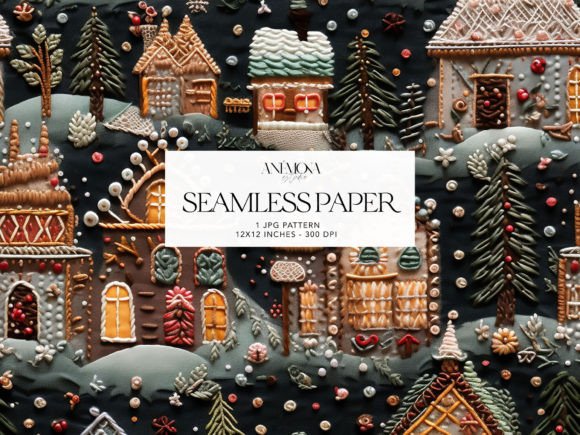
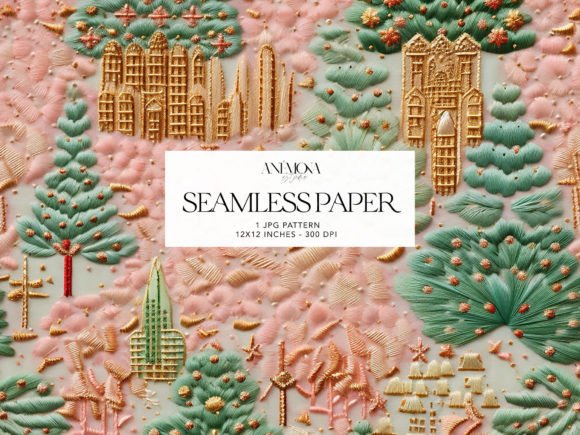
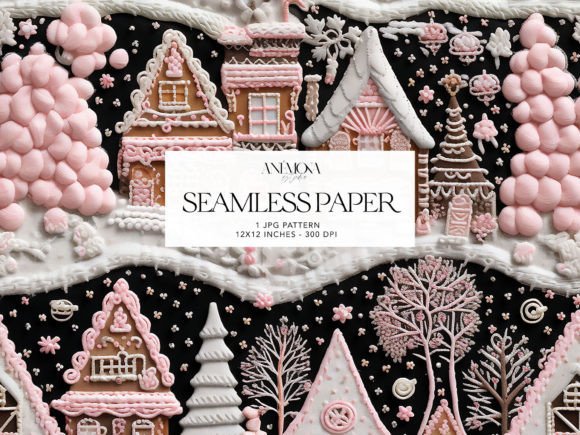
The moment I opened the file, the mood was unmistakable. The Pink Embroidery Gingerbread House Paper does not scream for attention with neon brightness; instead, it invites curiosity with a soft, whimsical appeal. It feels distinctly festive yet modern, avoiding the cliché heavy reds and greens often seen in December decor. For a small shop product line, this subtlety is a strength. It suggests a premium, curated aesthetic rather than mass-produced holiday clutter.
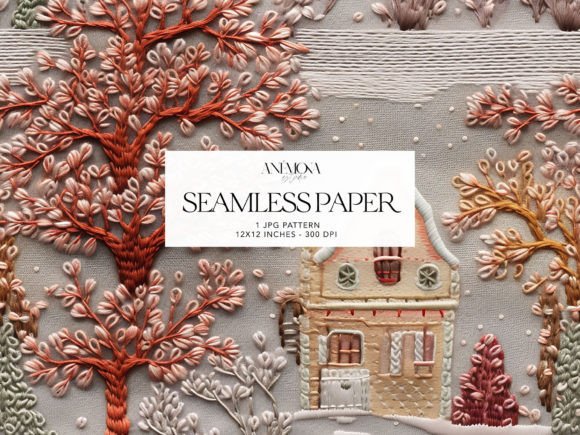
This Graphics file presents a faux embroidery look, which is crucial for designers who want the texture of stitching without the hours of machine time. The seamless nature of the 12″x12″ JPG at 300 dpi means it can be tiled or used as a full-background element. For those of us selling Patterns or digital downloads, this versatility is invaluable. However, for physical product creators, the question remains: how does this translate to fabric?
Product Applications for the Weekend Market
When preparing my booth display, I considered several key items where this design would shine. The Pink Embroidery Gingerbread House Paper is particularly effective for products that benefit from an all-over print or a large focal graphic.
- Tote Bag Design: Printing this pattern on canvas tote bags creates an instant statement piece. The pink hue contrasts beautifully with natural cotton, making it a standout craft fair product.
- Apron Embroidery: While the file is a digital paper, using it as a reference for actual stitching or printing it directly onto fabric aprons adds a cohesive holiday theme to kitchenware.
- Tea Towel Embroidery: For tea towels, the design works best as a printed background with minimal additional stitching. The faux texture blends well with the weave of linen or cotton.
- Printable Mockup: Before committing to production, I created a printable mockup to visualize the scale. This step is essential for any Etsy seller to ensure the gingerbread houses do not appear too crowded or too sparse.
For embroidered patch creators, this design might require adaptation. Since it is a seamless paper graphic, isolating a single gingerbread house would require careful editing. However, for pillow covers and market bags, the seamless repeat is perfect. It allows for continuous patterns that wrap around curved surfaces, enhancing the perceived value of the finished product.
Practical Production and Selling Points
From a production standpoint, the ease of use is a major factor. The file is provided as a high-resolution JPG, which is universally compatible with most print-on-demand services and home printers. For those looking to create a handmade product line quickly, this reduces the technical barrier. You do not need specialized embroidery software to utilize this asset for printed goods.
Photography is another critical aspect. The soft pink tones photograph exceptionally well in natural light, which is vital for online listings. As an Etsy seller, I know that bright, clear images drive clicks. The Pink Embroidery Gingerbread House Paper provides a clean, professional look that enhances brand consistency across social media and shop banners.
However, there are careful-use notes to consider. If you plan to convert this visual inspiration into actual machine stitching, be mindful of stitch density. The faux embroidery effect in the graphic may look dense, but translating that to thread requires balancing coverage with fabric stability. On thick fabrics like denim or textured towels, fine details might get lost. Always test on scrap fabric first.
Design Considerations for Embroiderers
If you are using this graphic as a reference for a machine embroidery design, several technical factors come into play. The original file is a digital illustration, not a stitch file. Therefore, you must digitize it carefully. Pay attention to thread colors; matching the specific shade of pink in the graphic requires precise color matching to maintain the intended aesthetic.
Consider the hoop size relative to the design elements. If you are stitching a single gingerbread house from the pattern, ensure it fits within standard hoop dimensions without excessive trimming. For curved surfaces like caps, the design may need simplification to prevent puckering. Using the right stabilizer is non-negotiable here, especially if the design covers a large area.
Additionally, check the clarity of small details. In the digital Graphics file, tiny windows or decorative elements are crisp. On fabric, these can blur if the stitch count is too low or the needle size is inappropriate. For commercial embroidery runs, consistency is key. Batch production requires that every item looks identical, so rigorous quality control on the first few samples is essential.
Enhancing Visual Appeal and Buyer Engagement
Ultimately, the goal of any craft fair product is to engage the buyer. The Pink Embroidery Gingerbread House Paper contributes to this by offering a unique visual narrative. It stands out against the sea of traditional holiday motifs, appealing to customers looking for something different. This distinctiveness can increase the perceived value of your items, allowing for higher price points.
Brand consistency is also strengthened when using cohesive design assets. If your shop specializes in soft, pastel, or modern farmhouse styles, this graphic aligns perfectly. It helps create a recognizable brand identity that customers can trust. When buyers see a cohesive look across your tote bags, aprons, and digital listings, they are more likely to make multiple purchases.
Before finalizing your product line, remember to verify the licensing terms. While Anemona Estudio provides this as a digital paper, ensure that your intended use—whether for physical goods or digital resale—complies with their commercial license. Never assume; always read the fine print to protect your business.
In conclusion, the Pink Embroidery Gingerbread House Paper is a versatile and visually appealing asset for creative entrepreneurs. Whether used for direct printing on textiles or as inspiration for stitched designs, it offers a fresh take on holiday decor. By paying attention to production details and leveraging its aesthetic strengths, you can create standout products that resonate with customers and boost your sales at the next market.