Review: Medical Sign Embroidery Design for Business
As an embroidery designer who has spent years digitizing logos and testing files for small business clients, I approach every new machine embroidery design with a critical eye. It is not just about whether the image looks cute on a screen; it is about how it performs under the needle, how it holds up after fifty washes, and most importantly, how it elevates the brand identity of the client wearing it. Recently, I evaluated the Medical Sign Embroidery Design, a digital asset positioned within the Awareness category. This review breaks down its potential for small business merchandise, branded patches, and professional apparel.
First Impressions and Visual Personality
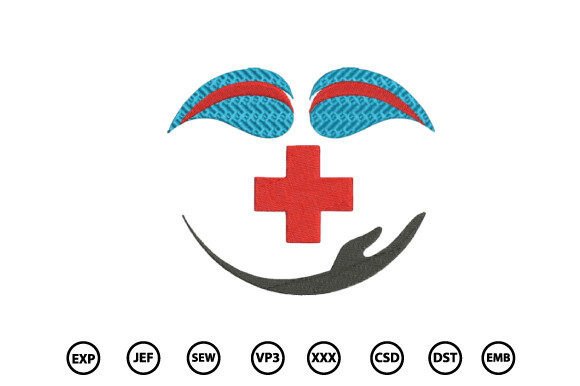
The first thing I look for in a design intended for commercial use is clarity. The Medical Sign Embroidery Design presents itself as a clean, recognizable symbol. In the context of Awareness and healthcare branding, simplicity is key. Complex gradients and tiny details often turn into messy thread nests on fabric. From my initial inspection, this design feels professional and modern. It avoids unnecessary clutter, which suggests it was digitized with stitch efficiency in mind.
For boutique owners and handmade brands, the visual personality of a logo dictates the tone of the product. This design strikes a balance between authoritative and approachable. It does not feel overly rustic or playful, which makes it suitable for serious medical professionals, yet it retains a handcrafted charm when stitched out, adding value to handmade product lines. Whether you are running a local clinic, a wellness studio, or a medical supply shop, the aesthetic aligns well with trust and care.
Real-World Applications for Small Business Merch
The true test of any digital embroidery file is its versatility. The product description notes that you can sew this on bags, medical clothes, home decor, and signs. Let us break down how this works in a real business scenario.
- Staff Uniforms and Aprons: For medical staff or wellness practitioners, a chest-left placement of this design on scrubs or lab coats creates immediate recognition. It serves as a subtle badge of authority. If you run a spa or a holistic health center, embroidering this on high-quality linen aprons adds a layer of professionalism that printed logos cannot match.
- Embroidered Patches: One of the most profitable avenues for small businesses is creating custom patches. This design is ideal for iron-on or sew-on patches that can be sold as add-ons. Customers love personalizing their gear, and a medical sign patch allows them to show pride in their profession or support for health awareness causes.
- Tote Bag Design: Eco-friendly merchandise is huge right now. Stitching this design onto canvas tote bags creates durable, reusable marketing assets. The bold lines of the medical sign should hold up well against the textured weave of canvas, provided the correct stabilizer is used.
- Cap Embroidery: Front-panel cap embroidery requires designs that are not too tall. Assuming the aspect ratio of this file is balanced, it can work beautifully on structured caps. This is excellent for outdoor health events, charity walks, or casual staff wear.
Technical Considerations and Stitch Density
While the design looks promising, technical execution is where many projects fail. As a designer, I must warn you to check the stitch density before running a full production batch. Medical symbols often involve straight lines and curves. If the density is too high, the fabric may pucker, especially on lightweight materials like performance scrubs. If it is too low, the backing material might show through, ruining the premium look.
You must also consider thread colors. A medical sign typically relies on high contrast, such as white on navy or red on white. Ensure that your chosen thread palette offers enough distinction. I recommend testing the design in black and white first. If the shape loses its definition without color, you may need to adjust the underlay or spacing in your editing software.
Another critical factor is the hoop size. The product description mentions multiple embroidery file formats, which is a positive sign. However, you must confirm that the included sizes fit your specific machine hoops. Do not assume a 4x4 inch file will scale perfectly to a 5x7 inch hoop without checking the stitch count implications. Always review the largest and smallest versions included in the package.
Where to Use Caution
Not every surface is suitable for every design. While the Medical Sign Embroidery Design is versatile, there are limitations. Avoid using this on extremely textured fabrics like thick wool or fuzzy fleece unless you use a strong cut-away stabilizer. The fine details may get lost in the pile.
Additionally, be cautious with very small applications. If you plan to use this as a tiny sleeve detail or on a small pocket, ensure the smallest file version provided is legible. Tiny lettering or intricate outlines can merge together when scaled down. For curved surfaces like the front of a baseball cap, ensure the design is not too wide, as this can cause distortion during stitching.
Enhancing Brand Identity and Trust
Why invest in quality embroidery? Because it builds trust. A crisp, well-stitched logo signals attention to detail. For small business owners, this translates to higher perceived value. When a customer receives a tote bag or wears a shirt with a professionally embroidered medical sign, they associate that quality with your brand. It moves your merchandise from "promotional junk" to "desirable apparel."
Consistency is vital. Use this design across all your design assets. Match the embroidery thread colors to your website and packaging. Create a printable mockup to show clients how the final product will look before you stitch a single thread. This helps manage expectations and reduces waste.
Practical Designer Notes for Production
Before you launch this design into your commercial workflow, follow these steps:
- Test on Real Fabric: Do not rely solely on digital simulations. Stitch a sample on the exact material you plan to use for production.
- Check Stabilizer Compatibility: Use a tear-away stabilizer for stable woven fabrics and a cut-away for stretchy knits or frequent-wash items like scrubs.
- Verify Licensing: The description states it can be used for multiple purposes, but always confirm the commercial licensing terms. Ensure you are allowed to sell finished products featuring this design.
- Inspect File Formats: The product comes with multiple embroidery file formats. Ensure your machine reads the specific format required (such as PES, DST, or JEF) without conversion errors.
- Compare Beside Other Assets: Place the stitched sample next to your other branded items to ensure visual harmony.
In conclusion, the Medical Sign Embroidery Design is a solid choice for small business merch and branded patches. It offers a professional aesthetic that aligns well with the healthcare and awareness sectors. By paying attention to stitch density, fabric choice, and proper stabilization, you can create high-quality custom apparel and accessories that enhance your brand identity. Remember, the difference between a good product and a great one lies in the details of execution. Take the time to test, refine, and perfect your process, and this design will serve your business well.