Cute Tiger Applique Embroidery: A Designer’s Review
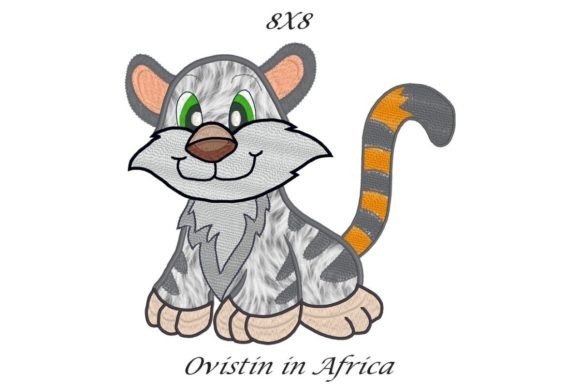
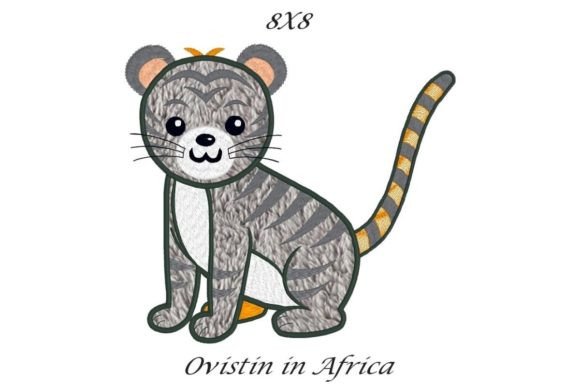
As an embroidery designer who has spent years digitizing files and consulting with small business owners, I approach every new design with a critical eye. It is not enough for a pattern to look good on a screen; it must perform flawlessly on fabric, withstand washing, and elevate the brand identity of the client using it. Recently, I evaluated Cute Tiger Applique Embroidery, a charming and decorative design featuring a tiger, likely depicted in an endearing or cute manner, with the addition of an appliqué for extra visual interest. This review focuses on its viability for commercial embroidery projects, specifically for boutiques, cafés, pet brands, and handmade product lines looking to add personality to their merchandise.
First Impressions: Visual Personality and Market Fit
The immediate appeal of Cute Tiger Applique Embroidery lies in its balance between playfulness and professionalism. In the world of Wild Animals themed designs, there is often a tendency to lean too heavily into realism or aggressive imagery. However, this design opts for an endearing aesthetic that feels modern and friendly. For small business merch, this is crucial. A logo or accent that is too aggressive can alienate customers, while one that is too childish may undermine perceived value. This design hits a sweet spot, making it ideal for creative studios, bakeries, florists, and local businesses that want to project warmth and approachability.
The use of appliqué is a strategic choice. From a production standpoint, appliqué reduces stitch count compared to a fully satin-stitched or filled design, which can lower production time and thread costs. Visually, it adds texture and dimension, giving the finished product a premium, handmade feel. When I look at this design, I see a versatile asset that can serve as a chest logo accent, a sleeve detail, or a standalone patch.
Real-World Applications for Small Business Merchandise
For Etsy sellers and crafters, versatility is key. I tested the conceptual application of Cute Tiger Applique Embroidery across several common product categories. Here is how it performs in real business scenarios:
- Embroidered Patches: This is perhaps the strongest use case. The bold outlines typical of appliqué designs translate well to patch borders. You can create iron-on or sew-on patches that customers can add to jackets, backpacks, or tote bags. This extends the life of your brand beyond the initial purchase.
- Staff Uniforms and Aprons: For cafés and boutiques, staff apparel is a walking billboard. Embroidering this tiger on the chest pocket of a denim apron or a polo shirt creates a cohesive team look. The cute factor softens the professional uniform, making staff appear more approachable to customers.
- Cap Embroidery: Caps are high-margin items for branded merchandise. However, the curved surface of a cap front requires careful consideration. The design works best if the appliqué shape is simplified to avoid puckering. It serves as a great side-panel accent or a small front-center logo if scaled correctly.
- Tote Bag Design: Canvas totes are staples for handmade brands. The contrast of the appliqué fabric against the natural canvas texture creates a rustic yet polished look. It turns a simple bag into a statement piece that customers will actually use, increasing brand visibility.
Technical Considerations and Production Challenges
While the aesthetic is strong, any experienced embroiderer knows that technical execution determines the quality of the finished product. When working with Cute Tiger Applique Embroidery, there are specific factors you must address before running a full production batch.
First, consider the stitch density and registration. Appliqué designs require precise placement of the fabric piece before the tack-down stitches are applied. If you are using dark uniforms or textured fabric, ensure your thread colors have sufficient contrast. A common mistake is choosing thread tones that blend into the appliqué fabric, causing the details to get lost from a distance. Always test your thread colors on the actual fabric you intend to use.
Second, be mindful of size constraints. If you plan to use this as a small patch or on a child’s garment, verify that the details remain clear when scaled down. Complex outlines can become muddy if the design is too small. I recommend creating a printable mockup at the intended size to check legibility. Additionally, confirm the hoop size required for your machine. While appliqué often allows for smaller hoops than full-fill designs, you still need enough space for the stabilizer to hold the fabric taut without distortion.
Fabric texture also plays a role. On smooth cotton or polyester blends, this design will look crisp. On heavy fleece or rough linen, the edges of the appliqué may need additional securing stitches to prevent fraying over time. Always use the appropriate stabilizer—cut-away for stretchy fabrics like t-shirts, and tear-away for stable woven fabrics like tote bags.
Enhancing Brand Identity and Customer Trust
Why does this matter for your bottom line? Because consistent, high-quality branding builds trust. When a customer receives a product with a clean, well-executed Cute Tiger Applique Embroidery, they perceive the brand as professional and attentive to detail. It elevates the perceived value of the item, allowing you to charge a premium for custom apparel and accessories.
For handmade product sellers, this design acts as a signature. Whether it is on a product label, a thank-you card attachment, or the merchandise itself, it creates visual consistency. Buyers engage more deeply with brands that have a distinct visual personality. The playful nature of this tiger design invites interaction, making it memorable. It is not just a logo; it is a character that represents your business values.
Practical Designer Notes for Implementation
Before you purchase the digital embroidery file or begin production, follow these steps to ensure success:
- Test in Black and White: Remove color from your view to check the contrast and shape definition. If the design relies solely on color to define features, it may not hold up in single-color embroidery applications.
- Check Commercial Licensing: Ensure the license terms allow for physical goods sales. Most designers offer different tiers for personal vs. commercial use. Confirm this before selling any finished products.
- Create Client Mockups: If you are doing this for a client, place the design on a photo of the actual garment. This helps manage expectations regarding size and placement.
- Inspect Spacing: Look at the gap between the appliqué edge and the satin stitch border. Too narrow, and the fabric may fray; too wide, and it looks unfinished.
- Verify File Formats: Ensure the digital embroidery file is compatible with your machine software. Common formats include DST, PES, and EXP. If the format is not listed, contact the seller.
In conclusion, Cute Tiger Applique Embroidery is a robust choice for small business owners looking to add charm and professionalism to their branded merchandise. It bridges the gap between playful creativity and commercial viability. By paying attention to technical details like stabilizer choice, thread contrast, and sizing, you can produce high-quality assets that enhance your brand identity and delight your customers. Whether used on aprons, caps, or patches, this design offers a unique way to stand out in the crowded marketplace of custom apparel and handmade goods.